Guide
Importing Apparel into Canada: Textile Labelling, CARM and Incoterms
What Canadian brands need to know about textile labelling, environmental claims, CBSA CARM registration and Incoterms when importing apparel.
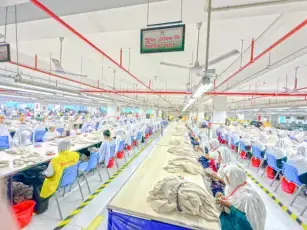
Canadian apparel importers must label consumer textile articles correctly, substantiate environmental claims, register on the CBSA CARM Client Portal, post financial security and know their Incoterm.
Textile labelling
The Textile Labelling Act requires consumer textile articles to carry accurate fibre content disclosure in English and French, plus dealer identification. Provide your factory with the exact label content before production. See Competition Bureau Canada guidance.
Environmental claims
Words such as "sustainable", "organic" or "recycled" must be substantiated by adequate and proper testing. Ask for Scope and Transaction Certificates for your lot and keep them on file. Read about sustainability and standards.
CBSA CARM
Commercial importers register on the CARM Client Portal, post financial security and manage Commercial Accounting Declarations. A licensed customs broker helps, but you remain responsible for declarations, duties and taxes. Ask us for correct Harmonized System descriptions with each order.
Incoterms
FOB means you take over freight at the origin port; DDP means freight, duties and clearance are handled through the seller's shipping partner. Compare total landed cost. Ocean freight to Vancouver or Montreal typically adds 25 to 40 days after production. Always confirm duty treatment for your product with a customs broker.
Quick answers
Do I need a customs broker to import apparel into Canada?
Commercial importers must register on CARM and post financial security, and most work with a licensed customs broker. The importer remains responsible for declarations, duties and taxes.
Do garments need French labelling?
Fibre content must be disclosed in English and French. Check the Competition Bureau guide for exact requirements.
Sources
Related guides
How to Choose an Apparel Sourcing Partner for Your Canadian Brand
Practical guide for Canadian brands evaluating apparel sourcing partners. Learn how to audit manufacturing capabilities, control fabric quality, manage lead times, and verify compliance.
GUIDEPrivate Label Clothing: Labels, Tags and Packaging
The parts of a private label order beyond the garment.
GUIDEBangladesh vs China vs India for Canadian Apparel Brands
What to compare when choosing an apparel sourcing country.
Know exactly who is making your order.
Talk to our team directly, get written updates at every stage, and receive your quote within 24 hours.
More guides for Canadian brands
Garment Sampling Stages: Proto, Fit, Size Set and Pre-Production
Understand each sample stage in apparel development, what to check, and why the pre-production sample matters.
GUIDE · 3 MINHow to Create a Tech Pack for Garment Manufacturing
What a tech pack contains and why factories need one.
GUIDE · 3 MINAQL 2.5 Explained: Garment Quality Inspection
What AQL 2.5 means for your apparel order and how three-stage inspection works.